braiwave

What Are Theta Brainwaves? Understanding the Science Behind Relaxation, Creativity, and Focus

Theta brainwaves have become one of the most discussed topics in personal development, meditation, mindfulness, and brainwave audio technology. Many people encounter the term while researching meditation techniques, manifestation practices, subconscious programming, or frequency-based audio programs.

✔ But what exactly are Theta brainwaves?
✔ Are they supported by science?
✔ And why do so many personal growth programs emphasize the Theta state?

In this guide, we'll explore what Theta brainwaves are, how they work, their relationship with relaxation and creativity, and how practices such as meditation and audio-based training may encourage Theta activity. 

What Are Theta Brainwaves?

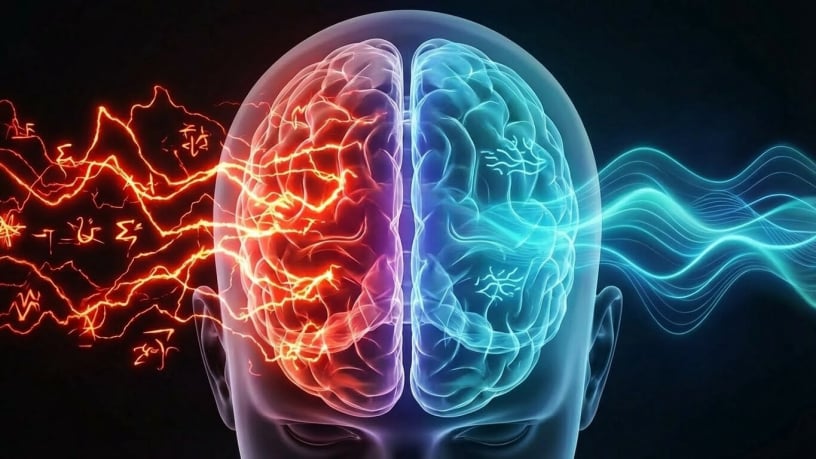
Brainwaves are electrical patterns produced by the communication of billions of neurons within the brain. These patterns can be measured using electroencephalography (EEG), a technology commonly used in neuroscience research.

Scientists generally classify brainwaves into four primary categories:

✔ Beta Waves
✔ Alpha Waves
✔ Theta Waves
✔ Delta Waves

Theta brainwaves typically occur within the frequency range of approximately 4 to 8 Hertz (Hz).

These frequencies are often associated with deep relaxation, creativity, visualization, daydreaming, and certain meditative states.

Unlike sleep-related Delta waves or highly alert Beta waves, Theta occupies a unique middle ground between conscious awareness and deep subconscious processing. 

Understanding Brainwave Frequency Ranges

To better understand Theta activity, it helps to compare it with other brainwave states.

Beta Waves (13–30 Hz)
Beta activity is commonly associated with:

✔ Problem solving
✔ Analytical thinking
✔ Decision making
✔ Alertness
✔ Active concentration

Most people spend much of their waking day operating primarily in Beta mode.

Alpha Waves (8–13 Hz)
Alpha waves are linked to:

✔ Relaxation
✔ Calm awareness
✔ Stress reduction
✔ Mental clarity
✔ Light meditation

Alpha often appears when a person begins transitioning from active thinking into a calmer state.

Theta Waves (4–8 Hz)
Theta activity is frequently associated with:

✔ Deep relaxation
✔ Visualization
✔ Creative thinking
✔ Emotional processing
✔ Meditation
✔ Enhanced imagination

This is the state most often discussed in personal development and mindfulness communities.

Delta Waves (0.5–4 Hz)
Delta activity primarily occurs during:

✔ Deep sleep
✔ Physical recovery
✔ Restorative processes

Why Are Theta Brainwaves Important?

Researchers and meditation practitioners are interested in Theta activity because it often appears during states of reduced mental stress and increased internal awareness.

People frequently report experiencing:

✔ Greater creativity
✔ Enhanced visualization
✔ Reduced mental clutter
✔ Deeper relaxation
✔ Improved self-reflection

during periods when Theta activity becomes more prominent.

This does not mean Theta waves automatically create success or solve problems. Instead, they may support mental conditions that encourage creative thinking, relaxation, and focused reflection. 

The Relationship Between Theta Waves and Creativity

Many artists, writers, musicians, and innovators describe moments when ideas seem to appear naturally without intense effort.

Psychologists often refer to these experiences as "flow states."

During these periods, individuals may experience:

✔ Increased concentration
✔ Reduced self-criticism
✔ Enhanced imagination
✔ Better problem-solving ability

Theta activity is commonly observed during creative visualization and imaginative thinking exercises.

For this reason, many creativity-training programs incorporate relaxation techniques intended to encourage Theta-dominant states. 

Theta Brainwaves and Meditation

Meditation is one of the most widely studied methods associated with increased Theta activity.

Regular meditation practice may help individuals:

✔ Reduce stress
✔ Improve emotional regulation
✔ Enhance mindfulness
✔ Increase self-awareness
✔ Support relaxation

Research suggests that experienced meditators often exhibit increased Theta activity during deep meditation sessions.

However, meditation outcomes vary between individuals and depend on factors such as consistency, technique, and experience level. 

Can Audio Technology Influence Theta States?

Some audio programs use techniques commonly referred to as brainwave entrainment.

These systems may include:
✔ Binaural beats
✔ Isochronic tones
✔ Rhythmic audio stimulation
✔Guided relaxation recordings

The theory behind entrainment is that external rhythms may encourage the brain to synchronize with specific auditory patterns.

Many users report subjective experiences such as:
✔ Relaxation
✔ Improved concentration
✔ Better meditation sessions
✔ Reduced mental distraction

However, scientific findings remain mixed, and results can differ significantly between individuals. 

Common Myths About Theta Brainwaves

Myth #1: Theta Waves Guarantee Success

Theta activity does not automatically create wealth, success, or life transformation.

Success depends on numerous factors, including skills, habits, effort, decision-making, and opportunity.

Myth #2: You Must Meditate for Years to Reach Theta

Many people experience Theta activity naturally during relaxation, daydreaming, creative thinking, and early sleep stages.

Myth #3: Theta Waves Are Dangerous

Theta activity is a normal and natural part of healthy brain function.

Everyone experiences Theta states daily.

Natural Ways to Encourage Theta Brainwave Activity

Individuals interested in supporting relaxation and mindfulness may explore practices such as:

Meditation: Regular meditation remains one of the most common methods associated with increased Theta activity.

Deep Breathing: Slow breathing exercises may help calm the nervous system and encourage relaxation.

Visualization: Creative visualization exercises often involve mental states associated with Theta activity.

Mindfulness Practices: Mindfulness can help reduce mental clutter and increase present-moment awareness.

Relaxation Audio: Some people use meditation music, nature sounds, or audio entrainment recordings to support relaxation.

Benefits Commonly Associated With Theta States

While experiences vary, people often report:

✔ Greater relaxation
✔ Improved creativity
✔ Enhanced visualization
✔ Better emotional awareness
✔ Reduced mental stress
✔ Increased mindfulness
✔ Stronger self-reflection

These benefits explain why Theta brainwaves continue to attract interest in both scientific research and personal development communities.

Frequently Asked Questions

Theta brainwaves are electrical brain activity patterns typically ranging from 4–8 Hz and are commonly associated with relaxation, creativity, visualization, and meditation.

Yes. Theta activity is a well-established brainwave category recognized within neuroscience research.

Research suggests that certain meditation practices may increase Theta activity in some individuals.

Many researchers and practitioners associate Theta states with imaginative thinking and creative problem solving.

Some audio technologies aim to encourage mental states associated with Theta activity, though individual experiences and research findings vary.

Final Thoughts

Theta brainwaves represent a fascinating aspect of human cognition and are closely linked to relaxation, creativity, visualization, and meditation. While they are not a shortcut to success or a guarantee of specific outcomes, understanding Theta activity can help individuals explore practices that support mindfulness, focus, and personal development.

Whether through meditation, breathing exercises, visualization techniques, or relaxation audio, cultivating calmer mental states may contribute to greater self-awareness and improved mental well-being over time.

The website's content and the product for sale are based upon the author's opinion and are provided solely on an "AS IS" and "AS AVAILABLE" basis. You should do your own research and confirm the information with other sources when searching for information regarding health issues and always review the information carefully with your professional health care provider before using any of the protocols presented on this website and/or in the product sold here.

ClickBank is the retailer of products on this site. CLICKBANK® is a registered trademark of Click Sales, Inc., a Delaware corporation located at 1444 S.Entertainment Ave., Suite 410 Boise, ID 83709, USA and used by permission. ClickBank's role as retailer does not constitute an endorsement, approval or review of these products or any claim, statement or opinion used in promotion of these products.

Testimonials, case studies, and examples found on this page are results that have been forwarded to us by users of The Silent Frequency products and related products are not intended to represent or guarantee that anyone will achieve the same or similar results.

© Copyright 2026 Silent Frequency. All Rights Reserved.